erapickleball.com Pickleball Court Rental: Competitive Play
The first time I stepped onto a court at Era Pickleball, it wasn’t the gleam of a new surface or the buzz of a tournament that grabbed me. It was the quiet efficiency of the space, the way the nets sat perfectly taught, the way the service boxes lined up with exacting precision. What I learned that day was simple and durable: court rental is not just about a clock on the wall or an hour on the calendar. It’s about creating an arena where competitive play can flourish, where athletes can measure progress, and where the sport can grow in small, tangible ways. Era Pickleball has built a framework around that idea, and the pickleball academy ethos woven through erapickleball.com shows up in every rental interaction, from booking to post-match analysis.
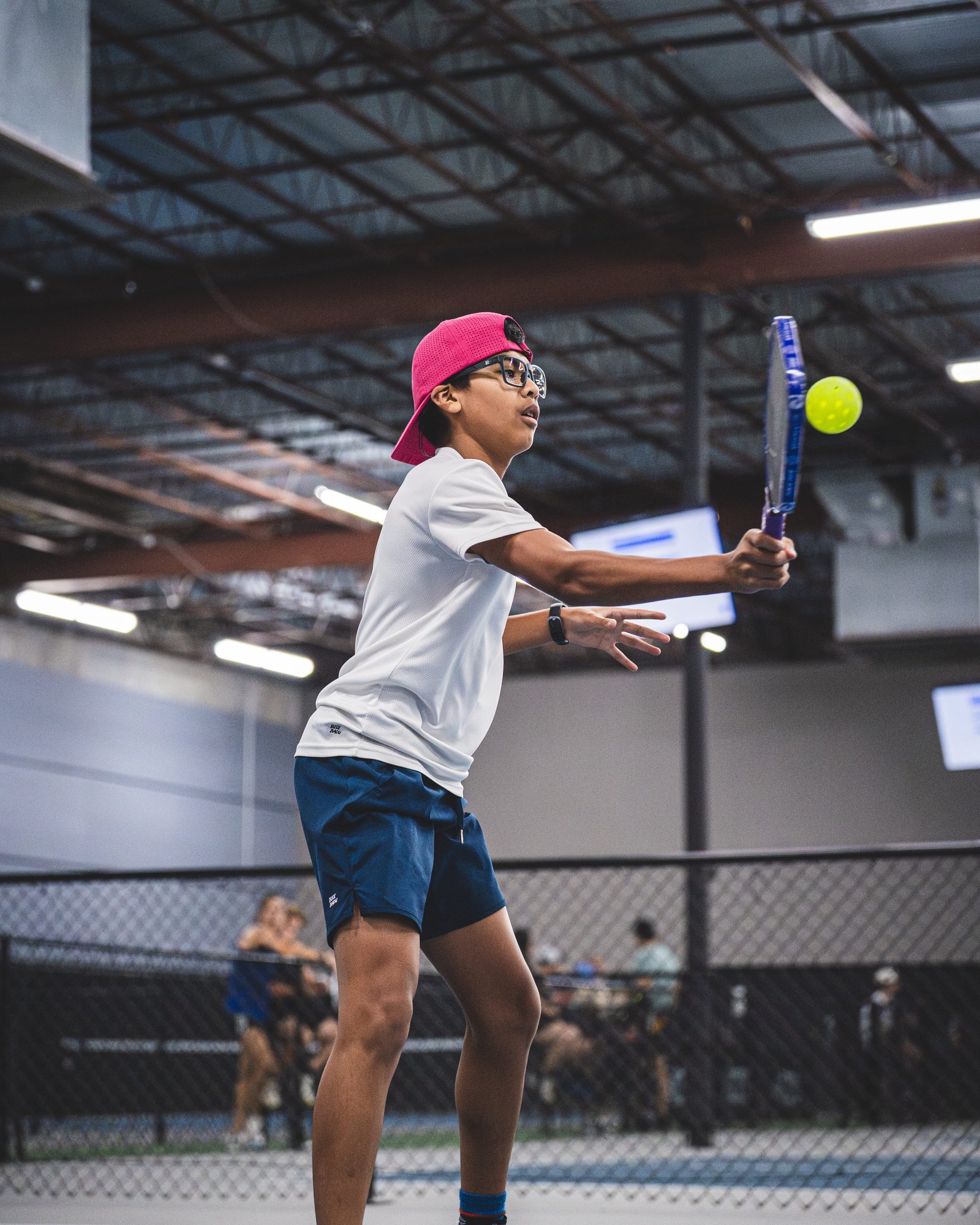
A modern pickleball center is a living organism. It breathes with the players who come through its doors, adapts to the rhythms of the seasons, and quietly steers its culture toward continuous improvement. At Era Pickleball, that culture takes shape in the way courts are maintained, booked, and utilized for structured competition. The rental experience is not a hurdle to playing; it is a pathway to elevating your game, a conduit for coaching, drills, and match play that respects both the seriousness of training and the joy of competition.
For players looking to test themselves against rigorous standards or to measure progress with a coach’s eye, the erapickleball.com court rental option is more than a booking system. It is a gateway to a reliable, consistent practice space where form matters, strategy evolves, and every rally feels like a small win. In this article, I’ll share what makes Era Pickleball’s court rental program distinctive, how to approach rental wisely, and why competitive play thrives under their model. Expect practical insights born from years spent watching players chase speed, control, and consistency on the same surface they call home.
A space designed for performance
The core of competitive play rests on something deceptively simple: repeatable conditions. When a court is consistently sized, the lines are true, and the surface is evenly padded, players can focus on the delicate physics of the game rather than chasing baseline quirks or unpredictable bounce. Era Pickleball’s courts are designed with that reliability in mind. The company’s attention to surface quality matters because energy transfer from paddle to ball is where the physics of a fast game live. A well maintained court reduces energy leakage, granting players the capacity to push harder on shots without fear of missteps that come from an inconsistent bounce.
From experience, I’ve found that the most productive competitive sessions happen when players are allowed to train with a shared understanding of what a ball will do in critical moments. When you rent in a facility like Era Pickleball, you’re not just paying for a time slot; you’re paying for a known set of conditions that align with the instruction or the tournament format you prefer. The courts at Era Pickleball are marked with clear, legible lines and a surface that rewards footwork as much as paddle control. That combination gives players the confidence to execute precision shots, attempt faster transitions, and practice the kind of game plans that separate good players from great ones.
Booking for competition, coaching, and community
Renting a court for competitive play often comes with questions that go beyond availability. How long should a session last if you want meaningful practice without fatigue souring the last rally? What is the best way to structure a practice block to simulate a tournament day? How can you integrate coaching into a rental so that feedback is immediate and actionable? Era Pickleball’s approach to booking recognizes these concerns and offers a framework that supports a wide range of needs.
Consider a typical practice block designed for serious players. A 90-minute session is a common choice for a single squad, particularly when you pair warmup with a few high-intensity drills and then a short, controlled match. You might begin with five minutes of dynamic warmups to prime the hips and ankles, followed by a focused drill that targets ball control in the kitchen. The second segment could be a series of down-the-line serves, cross-court returns, and dink sequences that test decision-making in pressure situations. The final portion often shifts to match play to translate technique into rhythm and strategy under real rally pressure. Rental policies at Era Pickleball are structured to accommodate this kind of flow, with flexible block durations and reasonable allocations for lane sharing when sessions overlap.
Coaches and academies find particular value in rental arrangements that allow for one-on-one or small-group coaching between games. A coach can set up a portable whiteboard or a simple video stop frame to annotate foot placement and paddle path in the moment, then apply that feedback to the very next rally. The advantage is not merely in the ideas conveyed but in the immediacy of the feedback loop. After all, habits form in the milliseconds between a cue and a corrective action. When a court is locked into a schedule that respects that cadence, the learning accelerates.
For players who are still exploring the sport or who are returning after a break, the rental model also serves as a doorway to the Era Pickleball ecosystem. The pick-up community exists alongside more formal sessions, and Era Pickleball the center often hosts clinics, round robins, or ladder-style competitive formats that give participants a sense of belonging while maintaining the rigor of improvised competition. In-season or off-season, the opportunity to schedule recurring blocks helps players maintain a rhythm, reinforcing good practices while still leaving room for spontaneity and social play.
The human factor in court access
Facilities that succeed on competition and training notoriety understand that the human factor matters as much as the physical space. A clean, well lit, and organized facility reduces cognitive load, allowing players to focus on their game rather than the logistics of where to park or how to check in. Era Pickleball acknowledges this with a straightforward check-in process, clear signage, and staff who anticipate common needs. The little touches—ample water stations, a quiet corner for strategy notes, and access to a quick locker area—signal that this is a space designed for serious play without sacrificing comfort.
From a coaching standpoint, one of the most significant benefits of a well run rental program is predictability. Coaches can arrive with a plan for the day, knowing that the court surface and conditions will be consistent across sessions. That predictability translates into more efficient coaching, enabling a wider range of drills to be executed with confidence. When a drill that works beautifully in one week can be replicated in the next, students begin to trust the process. Trust is the currency of growth in any sport, and it accrues most quickly where the environment reinforces the learning that happens on the court.
Courts as stages for competition
Competitive play thrives on the energy of opponents testing each other under similar constraints. Era Pickleball’s court rental program supports a spectrum of formats that mirror the realities of club play, local tournaments, and interclub leagues. You will often see ladder-style events, where players move up or down the roster based on match results. The value of such formats lies not only in the thrill of climbing toward the top but also in the discipline of self-improvement that comes from facing a rotating cast of opponents with diverse styles.
Another common structure is a brief, focused tournament block. Think of a three-hour window that stitches together a series of short matches, each with a different pairing and a fresh scoreboard. The speed of these blocks forces players to adapt quickly, a quality that translates directly to better court sense during longer matches. The rental system accommodates such formats by allowing easy court rotation, clear scorekeeping aids, and the space needed to reset between rounds without sacrificing the flow of play.
For many players, the idea of competition is inseparably linked to feedback. Competitive sessions are more productive when there is a plan for post-match review. A player can watch footage with a coach, extract a handful of tactical adjustments, and apply them in the very next session. This is where the Era Pickleball framework shines: court rental supports an ecosystem where practice, feedback, and performance tracking loop into one another. In practice, this means more intentional drills, more precise improvement, and, crucially, a sense that every hour spent on the court is a step toward a bigger objective.
The value of a structured schedule
When you are serious about progressing in any sport, scheduling becomes a competitive variable in its own right. The best players protect their practice time with the same tenacity they apply to any other form of training. Era Pickleball’s rental structure encourages this mindset by offering reliable access windows, straightforward pricing, and options to book blocks that align with training cycles. For a coach, a consistent schedule reduces the friction of planning. For a player, it reduces the friction of showing up and knowing what to expect. For the center, it creates predictable demand, which in turn supports maintenance, staffing, and the ongoing investment in court quality.
From a practical standpoint, there are a few best practices that help maximize the value of court rental for competitive play. First, arrive early and use the warmup time to test the surface after the first few rallies. Even a small adjustment in footwork at the start can pay dividends in late rallies when fatigue sets in. Second, pair drills with short, high-intensity rally blocks. Fifteen minutes of concentrated, fast-paced exchanges can be more effective than a longer, less structured session. Third, incorporate a short debrief with a coach or partner after the session. A few minutes of reflection on shot selection, court positioning, and reset pace can reinforce learning in a tangible way.
The role of the pickleball academy
Era Pickleball is more than a facility; it is an extension of a broader pickleball academy mindset. The academy approach emphasizes a holistic view of development that includes technique, strategy, physical conditioning, and tactical understanding of opponents. When you rent a court through erapickleball.com, you join a community that values these dimensions. The academy mindset translates into practical rental features: space for video analysis, equipment considerations that support specific drill work, and access to mentors who can tailor sessions to your goals.
Within the pickleball center, a typical coaching relationship often starts with an assessment. A coach may observe a few rallies to identify recurring errors or strategic gaps. The rental setting makes this process efficient: you can book a session, then book a parallel or follow-up slot with the same coach to maintain continuity. Over time, consistent collaboration between player and coach begins to shape a distinctive game identity. A player learns to lean into strengths, mitigate weaknesses, and cultivate a reliable rhythm that carries through to match play.
A nuanced view of competitive balance
No discussion of competitive play would be complete without acknowledging the trade-offs and edge cases that arise in a real-world setting. Even the best rental centers encounter days when the surface is cooler, the humidity shifts, or lighting angles influence the ball’s perceived speed. These factors may be subtle, but they can impact tracking and anticipation during high-speed rallies. The Era Pickleball model handles this with transparent communication and a flexible approach to scheduling. If conditions change, the center can offer alternative time slots, access to a different court, or adjustments to the session plan to preserve the quality of practice.
Another nuance concerns the balance between structured competition and social play. Competitive players often crave intensity, but there is value in lower-stakes sessions that emphasize technique and movement quality. A strong rental program will gracefully accommodate both ends of the spectrum, enabling players to alternate between ladder-style sessions and casual drills that reinforce fundamentals. The result is a culture where serious training coexists with community energy, where newcomers learn by watching more seasoned players, and where performance is measured not only by wins and losses but by tangible gains in consistency, control, and court intelligence.
A practical guide to choosing your rental path
If you are stepping into the Era Pickleball ecosystem for the first time, the array of options can feel daunting. Here is a practical framework to help you decide how to structure your rental experience around your competitive ambitions:
- Define your short-term objective. Are you building consistency in serve returns, sharpening dink control, or testing a new offensive strategy? Your aim will guide the length of your sessions and the mix of drills versus match play.
- Map your weekly rhythm. If you train several days a week, a recurring block helps you maintain progress and reduces the friction of scheduling. If your schedule is more variable, reserve flexible slots that you can adapt as needed.
- Integrate coaching thoughtfully. If you work with a coach, plan for a blend of independent practice and guided sessions. The coach can anchor the session with a specific drill, then let you execute it in live rally scenarios.
- Track progress with intention. Use short video reviews, written notes, or a simple metrics sheet to capture improvements in footwork, shot selection, and pacing. The data is about learning, not punishment.
- Leave room for experimentation. Competitive play rewards risk when it is smart risk. Use rental blocks to test new patterns or tactics in a controlled environment before deploying them in a tournament.
What success looks like on rental days
Success on rental days is nuanced. It’s not only the scoreboard that matters, though a few positive results on the board are certainly a good indicator. It’s the sense of clarity you feel when you step off the court, knowing you understood the situation, executed a plan, and learned something in the process. It’s the quiet gain of better footwork, the increased confidence that you can handle pace, and the subtle shift in your ability to move with the ball rather than against it.
In practice, I’ve watched players who treat court rental as a ritual for progress. They arrive with a plan, bring the tape for line checks, and remain mindful of the numbers—how many clean dink-to-dink exchanges, how many aggressive serves that found the back corner, how often their resets forced a weak reply. They do not chase every shot but instead chase the right shot with intention. The discipline of this approach compounds, and over weeks and months, the margin of error shrinks in tight, late-game rallies. That is the value of a competitive rental environment: predictable conditions, purposeful practice, and a pathway to continuous improvement.
Lessons learned from a career in training spaces
If there is a through line to the best experiences I have had coaching and playing, it’s this: the environment in which you train matters as much as the drills you perform. In facilities that fail to meet the bar, the best technique quickly loses its edge to fatigue, distractions, or inconsistent surfaces. In the Era Pickleball ecosystem, the emphasis on quality, structure, and community creates a sanctuary for serious players. It is not glamorous in the way a televised match is glamorous, but it is where skill grows in quiet, stubborn increments.
I have seen players who arrive with a fixed calendar and a stubborn willingness to learn. They treat each rental as a micro-laboratory, testing small adjustments, collecting outcomes, and iterating until results feel inevitable. Their progress reveals itself across weeks as they gain confidence in upcoming matches, read the court more quickly, and choose smarter shots under pressure. It is the incremental nature of improvement that makes the rental model so powerful for those chasing competitive goals.
The future trajectory of court rental at Era Pickleball
Looking ahead, the scope for doing more with court rental at erapickleball.com is rooted in a few practical directions. First, there is the potential to expand the flexibility of session formats. More tiered options for coaching intensity, combined with lighter or heavier court usage fees, could help players tailor sessions more precisely to their development cycle. Second, deeper integration with video analysis tools could make post-session reviews more accessible and more actionable. It would be natural to pair rental blocks with a curated set of drills that align to a player’s identified growth areas, then use video from the session to anchor corrections for the next block. Third, facility-wide scheduling that accounts for peak times and quieter periods could optimize court utilization, enabling more players to access productive practice windows without sacrificing quality.
These enhancements would complement the core strengths of the Era Pickleball court rental program: reliability, clarity, and a culture that prizes growth. They would also reinforce the academy identity by embedding more data-driven coaching cues into the rental experience. In the hands of seasoned coaches and ambitious players, these developments could accelerate the pace of improvement while maintaining the humane pace that makes practice rewarding rather than punishing.
Final reflections
If you seek a place where competition is not a spectacle but a structured, dependable pathway to better play, Era Pickleball offers a compelling proposition. The court rental program is not an add-on; it is a carefully designed infrastructure that supports the practical realities of serious practice. It respects the hours players have to spare, acknowledges the need for feedback loops, and understands that the heart of competitive play beats strongest when the environment is consistent, predictable, and welcoming to the challenge of improvement.
As someone who has spent decades watching players chase perfection on courts of varying quality, I can say with confidence that a well run pickleball center can transform a group of enthusiastic practitioners into a disciplined cohort of performers. Era Pickleball achieves this through a combination of thoughtful facility design, transparent rental policies, and a community that treats practice as a craft not a mere routine. The result is a space where competitive play is optimized for learning, where coaches and players align in purpose, and where every court time functions as a step toward a greater level of mastery.
In the end, the value of erapickleball.com pickleball court rental rests on what you make of it. If you bring a plan, a willingness to adjust, and a sense of curiosity about how your game responds to structured practice, you will find a rent-to-improve mindset that resonates beyond the court. You will discover a place where the pace of the game meets the pace of learning, and where the simple act of showing up becomes a catalyst for growth, one shot at a time. The center’s design, the staff’s attentiveness, and the feedback-enabled coaching ecosystem together create not just a space to play but a space to become better players, better teammates, and better competitors in the ongoing journey of pickleball.