Era Pickleball Lessons: Quick Start for Beginners
The first time you step onto a pickleball court, the ball zigzags, your feet feel light and clumsy, and you realize there is a rhythm to this game that you haven’t found anywhere else. It happens to almost everyone who picks up the paddle for the first or second time. The sport has a way of rewarding smart basics more than flashy shots. This guide is meant to translate that nervous energy into clear, practical steps you can use right away. It’s written from years of watching beginners find their footing, then steadily improve, sometimes faster than they expected. If you’re curious about Era Pickleball lessons, indoor courts, or the community vibe at a nearby facility, you’ll find concrete guidance here that fits real life on real courts.
A few notes as we begin. Pickleball blends elements of tennis, badminton, and ping pong, but the pace and feel are uniquely its own. The paddles are forgiving, the court is compact, and the social energy is high. The goal of this article is not just to teach you to hit the ball well, but to build habits that help you decide quickly, stay balanced under pressure, and enjoy every step of the learning curve. You’ll read about how to choose the right court, what gear makes sense when you’re starting, the core shots you need to master, and how to practice in a way that translates into real games. I’ll also share a few practical anecdotes from coaching beginners who walked into Era Pickleball facilities, hoping to understand the game and leave with a solid game plan.
Why a beginner’s guide matters more than a checklist of tricks. Because in pickleball, the margin for error is small but the learning rewards are large. The court is small, the ball moves faster than it looks, and decision-making happens in a blink. If you’re patient with fundamental positioning and patient with your swing, you’ll see real progress in days rather than weeks. The best lesson I’ve learned from working with beginners is that consistency beats flash every time. A consistent grip, a consistent stance, and the same approach to each shot create a framework you can rely on when the rally lengthens and the pressure rises.
A quick word about Era Pickleball locations and culture. If you’re near a large city or a growing suburb, you might find an Era Pickleball indoor facility that hosts leagues, clinics, and casual play for all levels. Indoor courts protect you from weather and help you tune your footwork without variables like wind. Outdoor courts, by comparison, reveal the true pace of a rally and demand adjustments to surface and weather conditions. Whether you’re stepping onto an Era Pickleball court for the first time or you’re returning after a gap in play, the process is similar. The most weighty factor is how you approach the ball from the first contact to the follow-through. The rest, as you’ll see, falls into place with simple structure and steady practice.
Choosing the right court and time for your first sessions
Your first priority is access. A beginner-friendly environment reduces anxiety and accelerates learning. Indoor courts are often climate discover more controlled and free from wind drift, which means your serves and returns behave predictably. If you live in a climate with long winters or frequent rain, a nearby Era Pickleball indoor facility can be a game changer for foundational practice. Outdoor courts offer a different flavor of practice—wooden floors or asphalt, wind, sun, and sometimes dust on the surface—all of which can reveal weak spots in your setup. The choice isn’t about one being superior to the other; it’s about the experience you want and the consistency you need early on.
Beyond weather, location matters for consistency. Pick a facility that offers open play for beginners or a short lesson block. A good sign is a friendly community desk, coaches who can speak in plain terms about the fundamental footwork, and a schedule that gives you a few hours a week enough to build a rhythm. If you’re close to Era Pickleball clinics, take advantage of them. A well-structured lesson plan in the first month makes the biggest difference because it anchors your practice in a repeatable process.
Gear that actually helps beginners
When I coach beginners, I emphasize practical gear choices rather than the most expensive options. You don’t need a hall of fame paddle to start, but you do want something that feels balanced in your hand and is forgiving on contact. A beginner-friendly paddle typically weighs between 7.0 and 7.8 ounces. It should have a comfortable grip size, usually around 4 1/8 to 4 3/8 inches in circumference, depending on your hand size. If you’re not sure, test a couple of paddles and pick the one that feels like a natural extension of your arm. A paddle with a slightly larger sweet spot can save you from harsh returns early on as you learn to contact the ball in the center.
Court shoes are not optional. A clean, grippy sole and a shoe that provides lateral stability is worth the investment. Running shoes with poor lateral support tend to let beginners slip into knee and ankle discomfort, which saps your focus during drills. If you already own tennis or racquetball shoes, you may find them work well for the short, quick movements pickleball demands, but make sure the tread is in good condition and the shoe isn’t too heavy.
Do not obsess over the latest paddles or the brightest shoes at the beginning. Your head and your feet will be doing most of the work, and you want gear that helps you stay balanced and relaxed. You’ll upgrade gradually as your technique stabilizes and you know what you actually need in terms of weight, grip, and feel.
Essential fundamental shots to master early
The core set of shots in pickleball has a surprising breadth of variation, yet the earliest gains come from mastering a few reliable, repeatable actions. Below are the shots to learn in roughly this order, along with a short note on how to practice them during your first weeks.
-
The dink. The dink is the gentlest, most strategic shot in the game. It is not a power shot. It is a soft, controlled push that lands short in your opponent’s nonvolley zone. The goal is to force a weak reply that you can convert into an offensive opportunity. When practicing the dink, you want to stay low, use a soft grip, and let the ball do most of the work. Start from the kitchen line and work toward the service line, paying attention to how you adjust as your partner positions themselves.
-
The drive. The drive is a controlled, medium-pace shot designed to push your opponent back or to set up a poach at the net. Your weight should transfer forward, your shoulders square to the net, and your hands relaxed. The drive is less about speed and more about accuracy and depth, a shot that keeps your opponent honest while you maintain control of the rally.
-
The return serve. A predictable return sets the tone for the whole point. Most beginners benefit from returning deep to avoid immediate offensive pressure and from using a cross-court pattern to keep the rally alive. Focus on a compact swing, contact near your body, and a high follow-through that directs the ball toward your opponent’s backhand side.
-
The third shot drop. The third shot is where many beginners feel the game click into place. After the serve and the return, you want a shot that drops just over the net and lands in your opponent’s kitchen. The objective is to neutralize the point by taking away your opponents’ advantage at the net. This shot is a combination of precise paddle work and smart footwork, often requiring a short backswing and a soft, controlled contact.
-
The volley at the net. Net play is where you will win or lose rallies quickly. A successful net volley requires a compact stance, soft hands, and the ability to redirect the ball rather than power through it. Practice with a partner, starting from the middle of the court and moving toward your preferred side as you get more comfortable.
A practical practice structure that accelerates learning
Begin with a simple weekly rhythm that can sustain you as you build your technique. A workable framework has three components: skill-focused practice, live-play sessions, and targeted feedback. The skill-focused blocks are where you lock in the mechanics of the dink, the drive, the return, and the third shot drop. The live-play sessions are where you apply those mechanics under more dynamic pressure. The targeted feedback is the honest assessment you need to improve rather than just feel good about your progress.
During skill-focused sessions, you can split 45 minutes into three ten-minute blocks. In the first block, you work on the dink from the kitchen line, focusing on court position and soft contact. In the second block, you practice returns and cross-court positioning. In the third block, you work on your third shot drop and a couple of easy net volleys to finish.
Live-play sessions should be a bit longer, where possible. Start with a rally that lasts 8 to 12 shots and gradually increase the length as your comfort grows. The key is to preserve your form under pressure. When fatigue sets in, you will revert to habit. If you notice your footwork collapsing under pressure, you know you need to shorten rallies or reinvest in footwork drills.
Feedback should be specific and immediate. If you’re practicing with a partner or a coach at Era Pickleball, ask for one concrete pointer after each practice block. For example, “keep my paddle face slightly open on returns” or “step toward the ball with the opposite foot.” Short, precise cues tend to deliver the best results because they’re easy to apply in the moment.
Common pitfalls and how to correct them
New players tend to fall into a handful of predictable traps. Recognizing these early can save weeks of frustration.
-
Overreaching on ground strokes. If your swing is long or hectic, you’ll lose control and mis-hit more often. The fix is simple—shorten your backswing and keep your elbow close to your body. Imagine your paddle as a handle that you rotate through contact rather than a sword you swing.
-
Poor court position. Foot placement is the backbone of every shot. If you end up on your heels or too close to the line, you’ll struggle to adjust to the ball’s height and speed. A practical rule is to stay on the balls of your feet, knees slightly bent, with your weight evenly distributed and eyes level with the net.
-
Inconsistent contact on the dink. Dinks demand softness and control, not velocity. If you’re hitting hard, back off and aim for the net’s edge rather than the court’s center. Practice a gentle contact and a short follow-through.
-
Backhand hesitancy. Many beginners rely on forehand until the end of time, then realize their backhand is a weakness in crucial moments. Build a simple backhand drill that uses a slightly closed stance to facilitate contact and control, and practice cross-court backhand returns.
-
Positive mistakes not being learned. Each misstep can be a learning opportunity if you debrief after a rally. Ask yourself what you could do differently, and test one small adjustment on the next rally rather than attempting wholesale changes.
Building a plan for ongoing improvement
A robust improvement plan blends accountability and reflection. After a few weeks, you’ll want to assess your progress with a simple, repeatable framework. Look for three things: improved consistency on your dink, a more reliable third shot drop, and an increased ability to control rallies at the net. When you see those, you have commercial-grade progress that translates to the court.
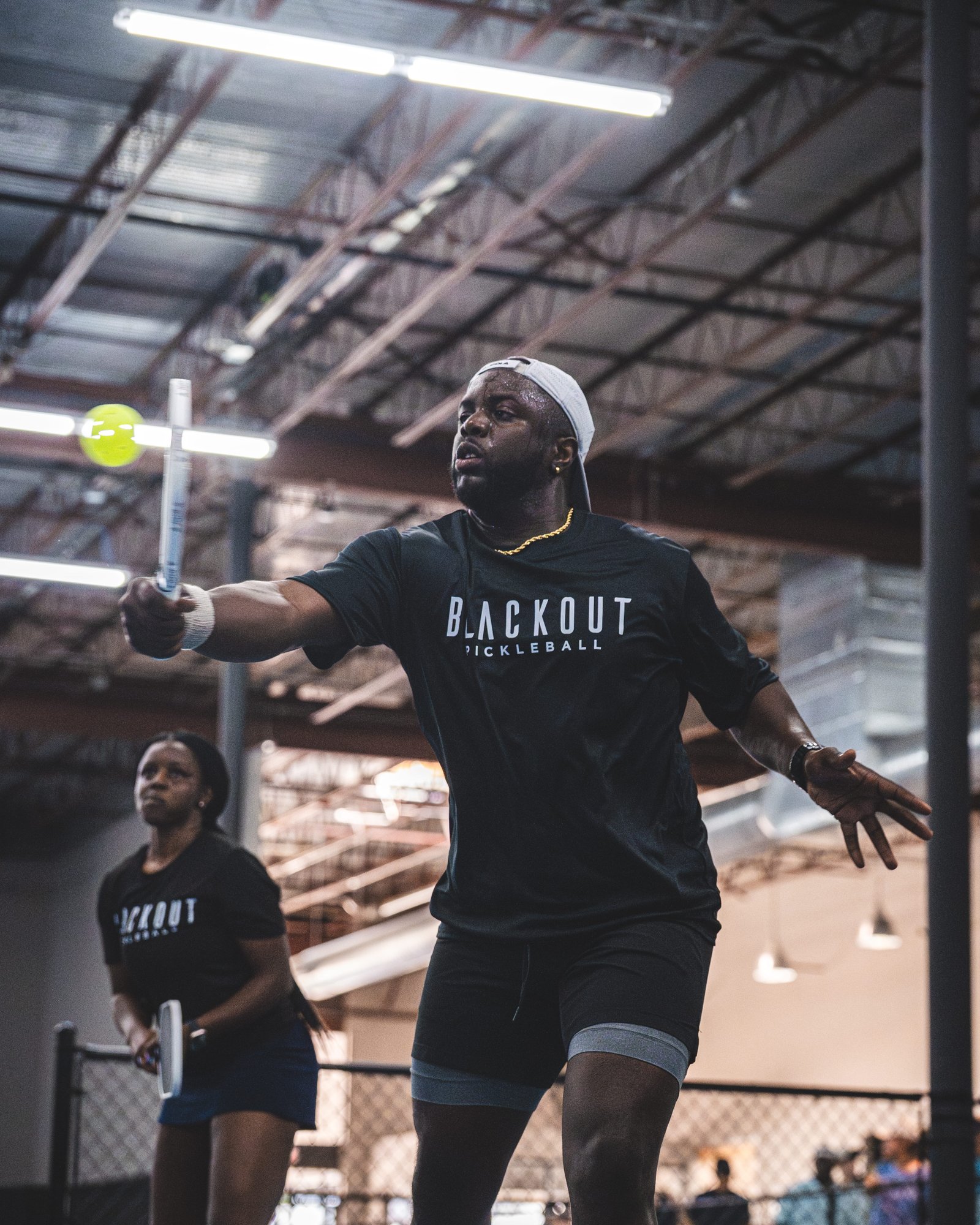
To keep momentum, schedule a recurring practice block and a monthly assessment. A monthly assessment can be a short test with a partner, using a common set of drills and a scoring rubric that you and your coach agree on. The rubric could measure how many successful dinks you land in the target zone, how often your third shot drop lands in the opponent’s kitchen, and how many times you win a rally by finishing at the net. The exact numbers aren’t as important as the trend over several sessions. If you’re trending toward more consistent exchanges, then you’re headed in the right direction.
Leveraging Era Pickleball resources and community
If you’re in proximity to an Era Pickleball facility, the community and coaching options can be a powerful multiplier for your progress. Clinics, drop-in lessons, and small-group sessions provide a structured environment to practice with peers who are at a similar level. The social energy of a pickleball community matters. It makes practice more enjoyable and gives you a realistic sense of the pace you’ll face in actual games.
As you become more comfortable, consider a progression that blends individual instruction with participation in a league. Leagues give you consistent, scheduled matches, which create real stakes without the intensity of a tournament. The balance between competition and learning is what often separates players who plateau from those who keep improving over a season.
A practical, two-list checkpoint for your first six weeks
-
First list: quick-start essentials for beginners
-
Choose an Era Pickleball indoor court or outdoor court based on climate and your schedule.
-
Pick a beginner-friendly paddle and a comfortable court shoe with good lateral support.
-
Master the dink and the return in controlled practice blocks, focusing on contact and balance.
-
Develop a simple third shot drop routine that lands in the kitchen consistently.
-
Include at least two live-play sessions each week to apply fundamentals in real rallies.
-
Second list: ongoing practice anchors
-
Schedule a monthly skills clinic or private lesson to refine technique.
-
Maintain a short post-practice reflection that captures one improvement and one remaining challenge.
-
Build a steady footwork routine with five quick drills that you can run on any court.
-
Track your rally length and shot quality to monitor progress beyond feel.
-
Join a local Era Pickleball league or club to gain consistent match experience.
An organic approach to the Era Pickleball pathway
The pathway to competence in pickleball is not a single breakthrough moment but a sequence of small, repeatable improvements. The best beginners I’ve coached built a habit loop: practice a precise set of fundamentals, play a few rallies to test them in real time, then reset with feedback. It’s a cycle of practice, play, and refinement that fits a busy schedule and grows with you.
Anecdotally, I’ve watched players come into Era Pickleball facilities with a shaky forehand and leave a month later with a dependable dink and a credible third shot drop. The difference isn’t magic; it’s the routine. They arrive with a plan to work on two things per session, a coach who helps them stay focused on those tasks, and a willingness to embrace the awkward moments as part of the learning curve.
If you’re feeling unsure, you’re in good company. The first few sessions can feel awkward, even a little off rhythm. That discomfort is not a signal of failure; it is evidence your nervous system is reorganizing its movements to new demands. Persist and your body will begin to remember the pattern, much like practicing a familiar dance until your steps feel natural.
A final thought on patience and momentum
Patience is not surrender; it is strategic timing. The most reliable players I’ve encountered possess two traits in equal measure: willingness to learn and the patience to practice the small things well. You will not become a polished player after a single weekend, but you can establish the foundation of a consistent game that makes you feel more confident each week.
If you’re considering a visit to Era Pickleball facilities for lessons or open play, plan your first sessions with a simple goal: lock in the basic stance, contact, and balance on every stroke. Then expand your repertoire: dink depth, third shot precision, and net control. As your confidence grows, you’ll find it easier to read opponents, adjust your strategy, and contribute to the momentum of any rally.
In the end, the sport rewards clarity of purpose more than flash in the moment. When you can place a dink precisely, return deep with intention, and execute a dependable third shot drop, you will have built a game that is not only effective but enjoyable to play. And if you ever visit an Era Pickleball facility for a lesson or a match, you’ll likely find a welcoming community ready to help you take that next step.
If you want to explore local options, start by checking Era Pickleball indoor and outdoor court offerings near you. Visit erapickleball.com to learn about facilities, clinics, leagues, clubs, and memberships. The right learning environment matters, and the right community can turn a hesitant beginner into a confident player over the course of a few weeks of steady practice.
The journey from novice to confident player is gradual, marked by small, repeatable wins that compound over time. Embrace the process, commit to a sustainable practice routine, and engage with the Era Pickleball community when you can. The sport rewards those who show up consistently, listen to feedback, and approach each session with curiosity. The court awaits, and your best game has only just begun.