Era Pickleball: Finding the Best Pickleball Near Me for 2026
The search for great pickleball near me in 2026 starts with clarity. It isn’t enough to stumble into a court and hope for a good match or a friendly vibe. The sport has matured into a networked ecosystem where facility quality, program breadth, and community culture matter as much as the surface you play on or the scoring rules you’re used to. This piece draws on years of court time, conversations with players across different markets, and a practical sense of how a modern pickleball operation earns its keep and earns trust.
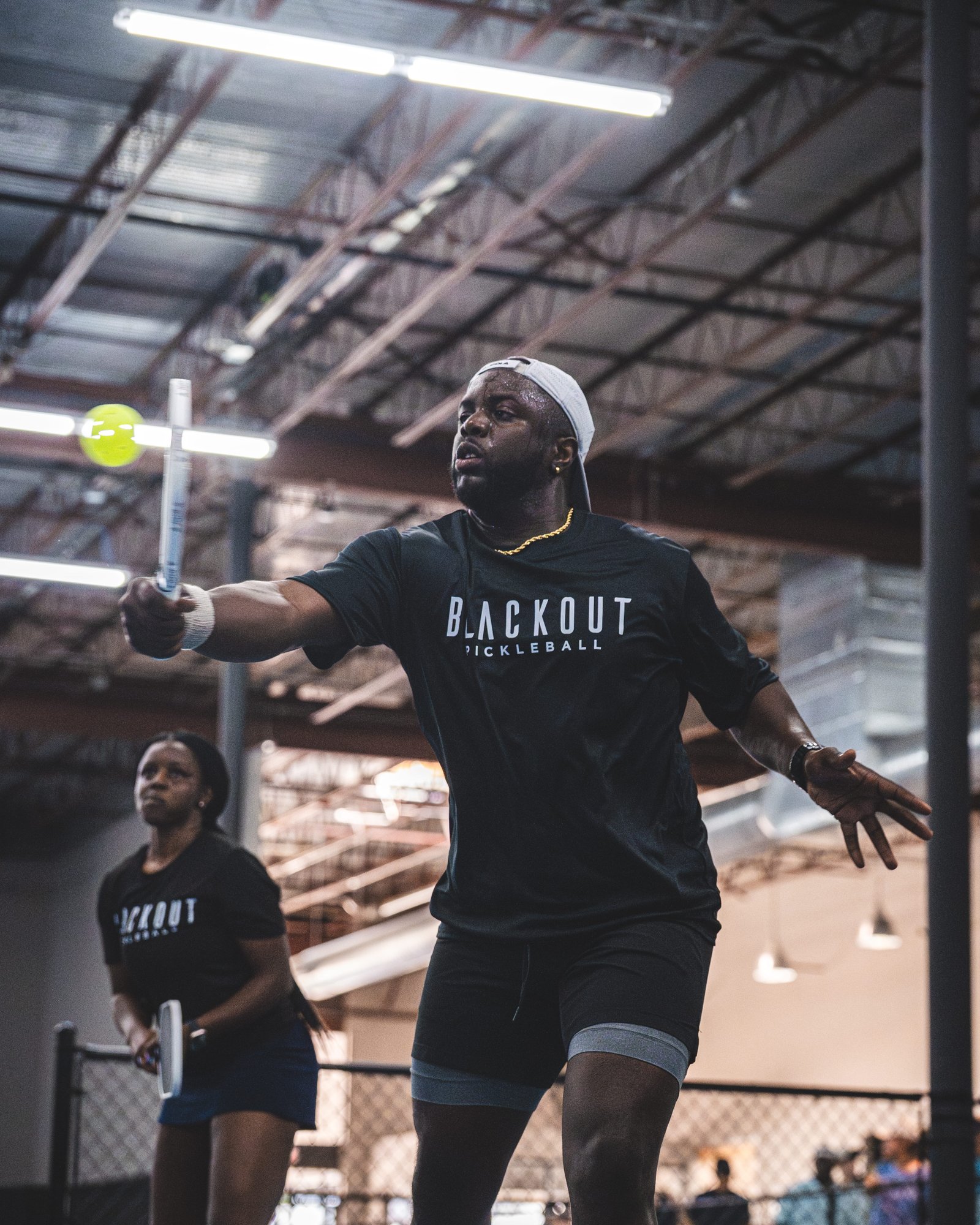
If you’re new to Era Pickleball or you’ve followed the brand for a while, you’ll notice a few throughlines that distinguish the best pickleball near me in 2026. It isn’t just about the nearest court or the loudest league. It’s about the combination of accessible indoor and outdoor spaces, thoughtful programming, and a facility that consistently demonstrates safe, places to play pickleball well-managed play. The following is a grounded guide to evaluating options, with a practical eye on what matters most for everyday players, weekend warriors, and serious club members alike.
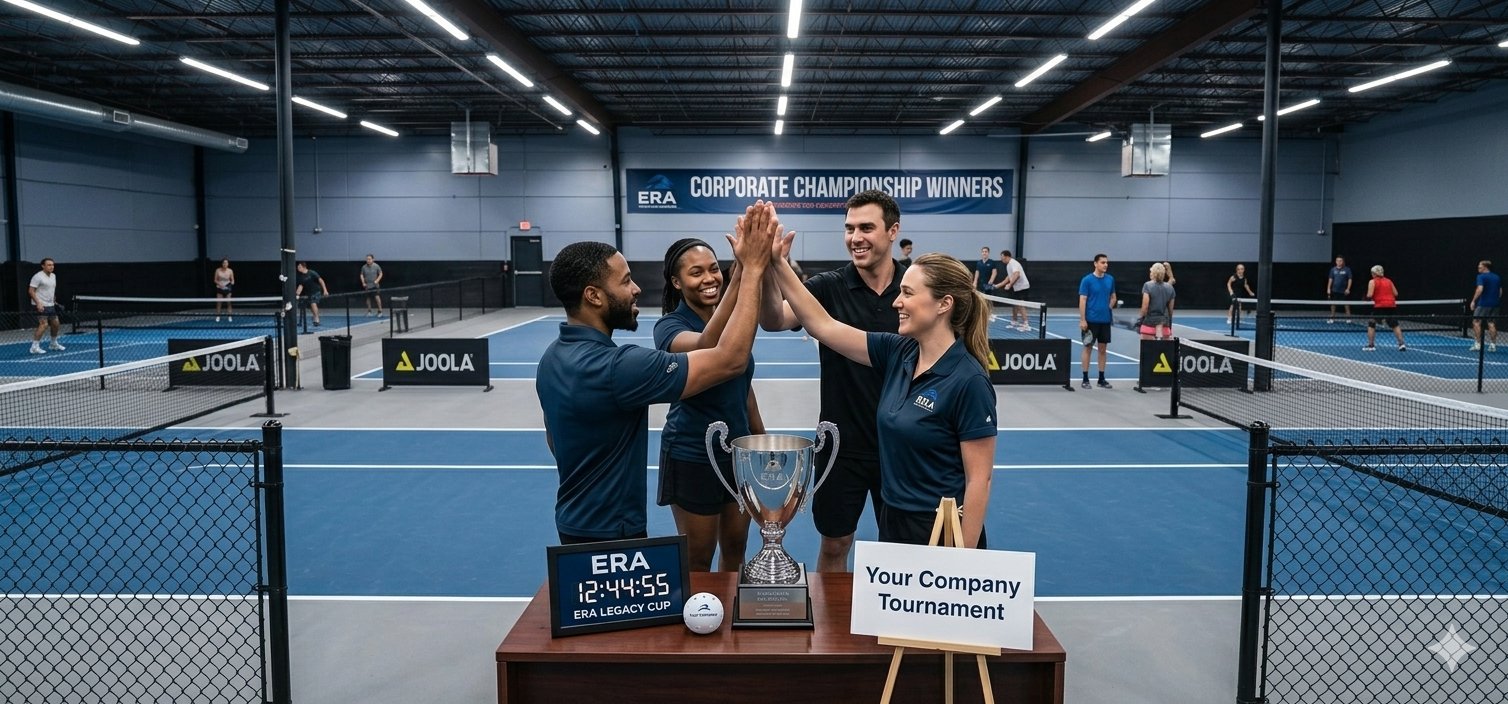
Finding the right place begins with a simple question: where can you consistently play well, with fair competition, and without friction when you want to book, practice, or learn? Era Pickleball has evolved into a network where understanding the strengths and tradeoffs of indoor and outdoor spaces helps players plan their seasons with confidence.
Chasing the best pickleball near me is not just about speed or court count. It is about a living culture that supports improvement, fosters good sportsmanship, and makes the sport accessible to people at different skill levels. A great facility combines daylight and lighting design, a thoughtful court layout, and a management team that knows how to handle peak hours without turning the experience into a waiting game. It should also offer reliable equipment, clean surfaces, and clear safety guidelines that players can trust as part of their routine.
A practical approach to evaluating Era Pickleball options starts with truth in advertising. Some facilities position themselves as full-service pickleball campuses with a membership model, while others operate as venue-specific courts within larger recreation complexes. The best of both worlds manages to blend open drop-in play with structured programming that can include clinics, leagues, and social events without compromising the core culture of casual play. The emphasis is not on speed of expansion alone, but on quality control, consistent maintenance, and a transparent pricing structure that players can navigate without surprises.
Indoor pickleball courts Era Pickleball stand out in markets where climate or seasonal pressure makes outdoor play inconsistent. Indoor venues deliver predictable lighting, stable temperature, and the ability to schedule play during evenings when daylight fades. They also create a controlled environment that helps players develop rhythm and shot selection without the added variable of wind. The flip side is cost and access. Indoor facilities require climate control, which translates into higher overhead. The best operators manage this by offering flexible pricing, a range of time blocks, and a mix of open hours and member-only access that makes the space sustainable year after year.
Outdoor pickleball courts Era Pickleball bring a different set of benefits. Fresh air, sun-bleached lines, and a social dynamic that thrives on real-time weather and community energy can push a player to show up with a different level of intention. Outdoor surfaces can be more forgiving in the sense of open space but can demand more attention to maintenance, especially if the courts see heavy use, or if the local climate contributes to faster wear and tear. A well-run outdoor program will provide shade structures, well-marked boundaries, and a transparent maintenance schedule so players know when a court is being resurfaced or repainted. The most enduring setups blend the best of both worlds by offering outdoor play in comfortable seasons and reliable indoor options during harsher weather.
The evergreen question is not simply where to play, but how the place helps you improve. Pickleball is not a one-off activity; it’s a lifestyle that grows with consistent practice, measured competition, and a sense of belonging. That sense is rarely achieved by a single facility alone. It emerges from a network: a club culture that threads together courts, coaching, leagues, social events, and friendly rivalries. In Era Pickleball’s ecosystem, you’ll often find a spectrum of offerings designed to accommodate people at different life stages—students balancing studies, busy professionals looking for a reliable after-work routine, retirees pursuing the sport with a steady cadence, and families exploring a new activity together.
A closer look at what to seek when you begin the hunt makes the difference between a good experience and a great one. Start with access patterns. Do you want to walk in and play immediately, or do you prefer a structured program that helps you progress with coaching and feedback? If you’re aiming to improve, you should seek facilities that pair courts with clinics and league options. The best operators keep a pulse on skill tiers within the community, offering events that allow players to test themselves, learn from higher-skilled opponents, and keep the social fabric tight.
A practical path to evaluating options is to look for four core attributes: space and maintenance, equipment and safety standards, programming breadth, and community culture. Space and maintenance mean clean courts, proper net tension, consistent surface conditions, and visible upkeep. Equipment and safety standards refer to pickleball paddles and balls of standard play quality, clearly posted rules, and staff who enforce safety without heavy-handedness. Programming breadth covers drop-in play, clinics, leagues, social events, and structured training paths. Community culture is the intangible but highly consequential factor—the vibe on the court, the way new players are welcomed, and the strength of peer support among regulars.
The practical challenge is balancing these attributes against your own schedule and goals. If you want consistent court time, you might prioritize facilities with dependable hours and straightforward booking systems. If you’re focused on skill development, you may seek places that host regular clinics, have coaching staff, and track progress over a season. If social play drives your motivation, look for a club environment that emphasizes social events, round-robin formats, and a welcoming, low-pressure tone.
How to approach the search
Many players start with a simple, pragmatic strategy: identify a handful of Era Pickleball facilities within reasonable driving distance, then rank them by a small set of personal priorities. This can be done with a mix of digital reconnaissance and in-person visits. The digital side includes reviewing facility pages, checking the current schedule for open play blocks, and reading recent member or visitor reviews. On-site, you can quickly gauge the pace of activity, the friendliness of staff, and how quickly you can secure a court when you want it. A brisk, 20-minute tour that covers the reception area, the court surfaces, and a quick chat with a manager can save you hours of trial and error later.
If you want a robust, no-nonsense framework to use during visits, consider a simple, two-part lens. First, how does the facility handle the basics: booking, check-in, court availability, and equipment quality? Second, how does the program support growth: are there clinics, ladders, leagues, and social events that align with your current level and future goals? It’s not a hard science, but it gives you a concrete way to compare options without getting overwhelmed by promotional language.
From a player’s perspective, three recurrent patterns help distinguish stronger era-era facilities. The first is a consistent tempo in competition that reflects the local community. If you observe a healthy mix of casual drop-ins and structured leagues, you’re likely in a place that values both accessibility and improvement. The second is transparency around pricing, membership benefits, and guest policies. You should be able to forecast the cost of play across a month or season without getting tripped up by hidden fees. The third is a proactive approach to safety and etiquette. Courts near me that succeed in this space tend to publish clear rules, provide safety briefings for new players, and respond promptly when issues arise.
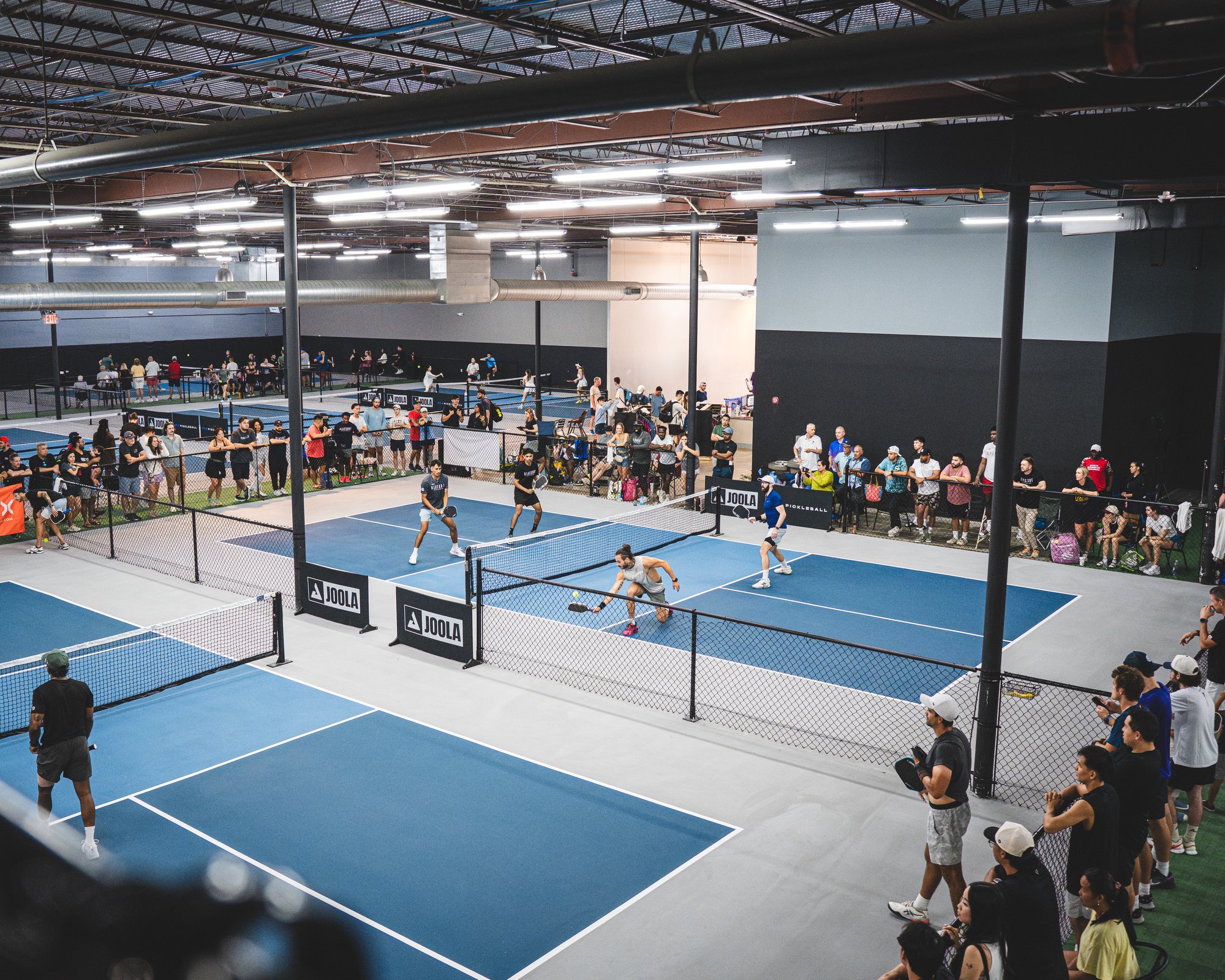
A note on memberships and leverage for players
Era Pickleball facilities frequently feature membership options that unlock better court access, preferential booking windows, and access to member-only events. The upside is predictable scheduling and cost savings, especially if you’re playing multiple times a week. The caveat is that memberships should offer real value beyond the simple ability to reserve space. Look for features such as complementary coaching clinics, guest passes, facility-wide discounts on equipment, or access to exclusive social events. If you tend to play sporadically, a monthly membership may not be the best fit, but if you’ve settled into a routine that includes regular play, a well-structured membership becomes a meaningful hedge against price volatility and a reliable anchor for your practice schedule.
Leagues and clinics are another essential dimension. A strong program will run a ladder or tiered league that allows players to move between levels as they improve. This structure reduces frustration and keeps competition aligned with skill. Clinics should be thoughtfully designed, with a clear progression from fundamentals to advanced strategies. When a facility can point to a calendar that shows ongoing sessions and the mix of in-house coaches and guest instructors, you get a sense of a living ecosystem rather than a spreadsheet of court reservations.
Stories from the floor: a season across Era Pickleball spaces
I’ve spent many evenings hopping between indoor and outdoor Era Pickleball courts, watching how the space shapes the game. A typical winter week might involve three indoor sessions on back-to-back nights, followed by an outdoor session when the sun lingers late into the spring. The indoor spaces offered reliability: uniform lighting that isn’t scorching or dim, and air that stays within a comfortable band, even as players sweat and the room grows louder with voices and the click of paddle skins against composite faces. The floors held up under heavy use, and the nets remained taut enough to preserve consistent ball bounce from one end to the other.
Outdoor courts tell a different story. The wind can turn a well-placed drop shot into a golf ball that travels sideways. When a local park-like campus hosts multiple outdoor courts, the social dynamic becomes a kind of festival: players drifting between matches, sharing a cold bottle or a hot coffee, and swapping tips between sessions. The best outdoor sites manage summer heat with shaded corners, a water station, and a flexible scheduling plan to avoid the late afternoon peak when the heat becomes a factor. In both environments, the best operators keep a careful watch on line calling and fair play. They know that the integrity of the game rests on accurate calls, timely how-to guidance for new players, and a culture of respect on the court.
A practical note for players oriented toward 2026
If you’re evaluating Era Pickleball options in 2026, consider how the facility is positioning itself for the future. Are they investing in upgraded surfaces and modern lighting? Do they offer digital tools that simplify booking, scoring, and progress tracking? Are they cultivating a robust coaching staff that can distinguish between fundamentals and refinements at higher levels? These questions increasingly separate long-term survivors from spaces that feel more like short-term pop-ups.
The best venues also think about accessibility and inclusion. A welcoming front desk that speaks to a diverse player base, beginner-friendly programming, and consistent accessibility options demonstrate a maturity that resonates with families and older players alike. Accessibility means more than ramps and signage; it includes scheduling flexibility for people who work nontraditional hours and language-rich resources for non-native English speakers. In a mature pickleball scene, this is part of the value proposition, not an optional extra.
A practical guide to visiting
If you are preparing for a first visit to a new Era Pickleball venue, here is a simple mental model to keep in your pocket. First, check the booking window. Some facilities open time slots only a week in advance; others offer rolling schedules and faster resales on cancellations. Second, assess the court condition at a glance. Inspect the surface for cracks, irregularities, or puckering around the lines. Third, listen for the overall atmosphere. Is the staff responsive? Do players greet newcomers? A supportive, low-pressure environment matters as much as the physical court. Fourth, ask about coaching and leagues. Even if you do not intend to join a league now, understanding the level and frequency of coaching available can help you plan your skill development over the next several months.
If you are weighing indoor against outdoor venues, consider how your calendar aligns with the seasons and your traveling schedule. Indoor courts provide predictability—good for early spring and late fall when temperatures swing. Outdoor courts, on the other hand, offer a social rhythm that aligns with weekends and long days in the sun, often better suited for players who want their time on the court to feel like a community event rather than a solitary routine.
The trade-offs section: numbers, schedules, and value
Let’s put some rough, practical numbers on the discussion. A typical Era Pickleball facility might offer a mix of pay-as-you-go play and monthly memberships. A casual player who hits three times a week could expect to pay between 15 and 25 dollars per session if there is a day-of-play rate, or save significantly with a monthly plan that ranges from 60 to 120 dollars, depending on access privileges and the breadth of included programs. Leagues and clinics can be priced separately, with clinics often running in blocks of four to six sessions at a per-block rate, frequently in the 100 to 250 dollar range per block depending on the level of coaching and the duration. Outdoor courts may see more seasonal variation in availability and pricing, but many facilities switch to year-round offerings by incorporating indoor spaces to bridge weather gaps.
For families, consider multi-person memberships or family passes if the facility supports them. The value here is not just the per-person savings but the ability to share a common schedule, which makes after-school and weekend play much more feasible. For a competitive player, a more formal program that includes a ladder league, structured drills, and access to pro instruction can be worth a larger monthly investment because it reduces the friction between improvement and practice time. The art of decision-making in this space is not to chase the most features, but to chase a sustainable structure that you can rely on week after week.
Building a plan that fits your life
The end goal is to build a durable plan that keeps you on the court and moving forward. In practice, this means selecting a primary Era Pickleball facility that offers reliable access, a strong coaching ecosystem, and a culture that suits your temperament. Then, allow a second or even a third option to serve as a reliable backup for weekends, travel, or seasonal schedule shifts. If you are serious about tournaments, you’ll want a facility that can accommodate high-intensity practices, test matches, and a ready-made calendar of ladder events.
A final thought on the social fabric
Pickleball at its best is social in the strongest sense. It’s not merely winning or losing; it’s the way your weekend routine folds into a broader community, the way people cheer for good shots, the way introductions happen to new players, and the sense that the space is designed to help you keep showing up. When a venue consistently shows up with friendly staff, clean surfaces, and a calendar that balances competition with low-pressure play, you’re not just paying for court time. You’re buying rhythm, momentum, and the small-but-significant confidence that you can keep improving without burning out.
Two quick, practical notes
-
If you have a primary interest in improving quickly, seek facilities that publish a robust clinic schedule and offer a progression track in coaching. A single season of focused instruction paired with regular play yields the fastest path to noticeable gains.
-
If your priority is social play and long-term community, select places with a strong ladder system, friendly round-robin formats, and regular social events. The most durable communities blend practice, competition, and camaraderie in a way that makes people want to come back.
What the landscape looks like in 2026
The era of Pickleball near me has matured into a more deliberate, value-driven market. The best Era Pickleball facilities differentiate themselves not simply by the number of courts they can staff, but by the quality of the playing environment they foster. They balance the certainty of indoor programming with the vitality of outdoor courts. They encourage newcomers with welcoming staff, practical coaching options, and a social scene that makes it easy to integrate into the community. And they maintain a transparent, fair pricing model that respects the time and energy players invest in their own development.
If you are reading this while planning your next few months on the court, a good starting point is to compile a short list of Era Pickleball venues within a reasonable drive, and then move through a mini-evaluation before you commit. Do a quick scouting route that includes one indoor and one outdoor option if you can, and then a backup choice in case weather or scheduling requires alternatives. The goal is not to crown a single winner but to understand how the landscape serves your needs across seasons, time of day, and the level of coaching you desire.
In the end, the best pickleball near me in 2026 is where you feel seen as a player, where the court condition remains consistent, where the booking process feels simple, and where the community fosters your growth without making the journey feel like a battleground. The sport deserves that level of attention, and the players deserve spaces that respect their time, celebrate their wins, and gently push them toward steady improvement.
Two final reflections from the court
First, the most durable venues tend to be the ones that invest in people as much as they invest in surfaces. When staff learn your name, recall your preferred practice time, and remember your progress checkpoints, you start to see the club as a partner in your game rather than a transactional facility. Second, the calendar should feel as human as the players, with blocks devoted to skill development, social play, and open play that adapts to the seasons. When you can pivot between these modes without friction, you have found a place that will stand the test of time.
If you are ready to begin the process, take the next week to map out your options. Visit or call a few Era Pickleball facilities within a reasonable radius, ask pointed questions about courts, scheduling, and programming, and observe the culture on the floor. Let the numbers and the vibes converge. When they do, you will have found not merely a court, but a home for your game.
In the world of pickleball, the best near me in 2026 is a blend of reliability, growth, and community. It is where the sport you love meets the schedule you need, and it becomes more than a place to play. It becomes a space to belong, to learn, and to push your game forward with clarity and joy. That, in the end, is the true mark of a remarkable Era Pickleball facility.